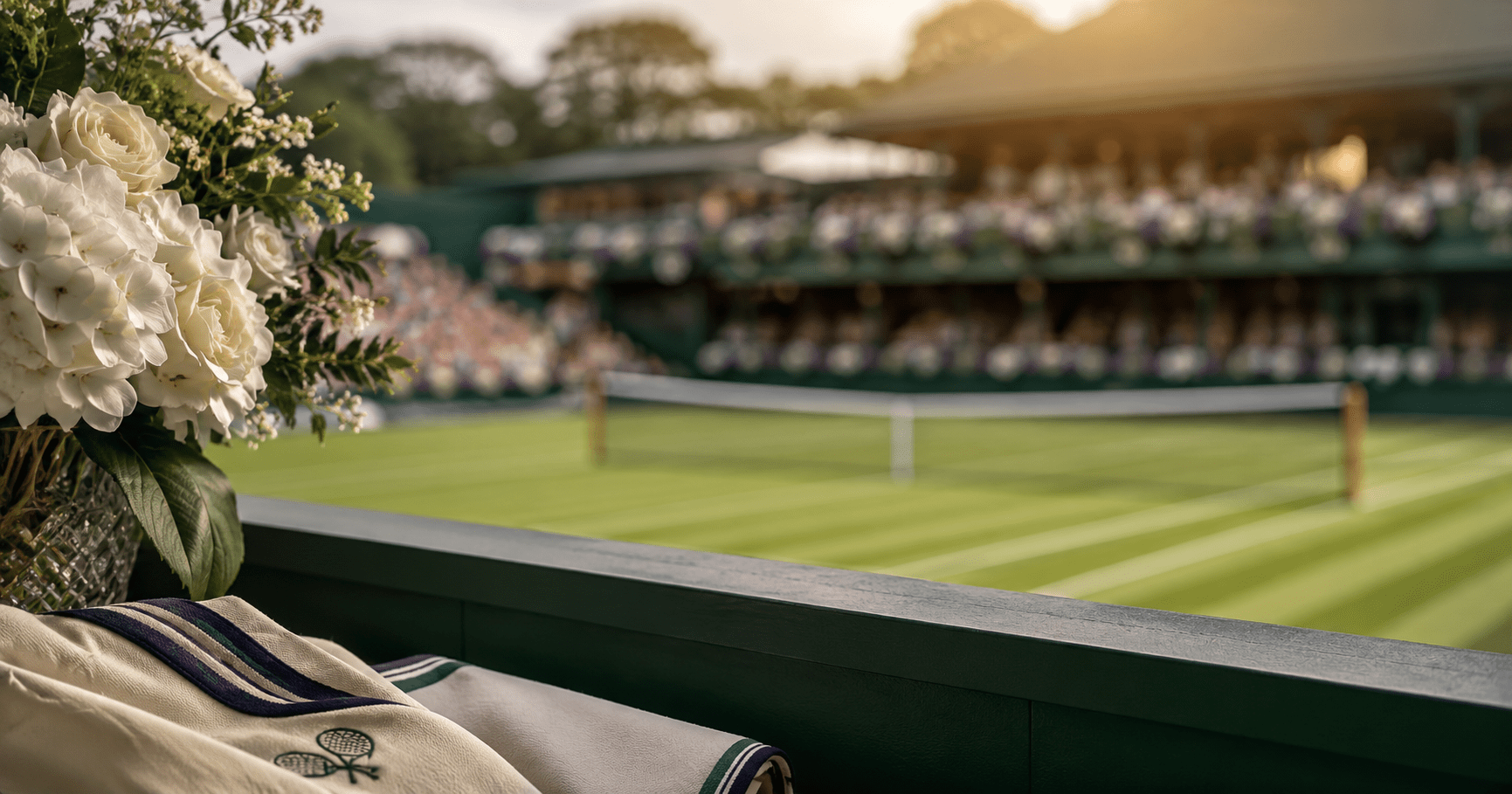


It is called a tennis bracelet because tennis champion Chris Evert famously lost her diamond line bracelet during a match at the 1978 US Open. Play paused while she searched for it, and the slim, flexible diamond style soon became known as a tennis bracelet.
That is the simple answer to why is it called a tennis bracelet. But the full story explains much more than the origin of its name. It reveals why this elegant line of diamonds has remained one of the most wearable and recognizable pieces in fine jewelry.
A bracelet that could be worn during a professional tennis match was clearly not designed only for formal dinners or special occasions. It was made to move, sparkle and become part of everyday life.
The Chris Evert Bracelet Story

During the 1978 US Open, Chris Evert was wearing a flexible diamond bracelet while playing. The bracelet came loose and fell onto the court, causing play to pause while she searched for it.
The moment attracted attention because wearing fine diamond jewelry during an athletic competition was unusual. The bracelet was elegant enough for an evening event but comfortable enough to wear while serving, swinging a racket, and moving around the court.
Following the incident, similar diamond line bracelets became widely known as tennis bracelets. Although the year 1987 is frequently repeated in retellings of the story, Evert’s own recollection and several documented accounts identify the tournament as the 1978 US Open.
The Chris Evert bracelet story transformed an existing jewelry design into a cultural icon. It also gave the piece an identity connected with movement, confidence, and effortless elegance.
What Was It Called Before the Tennis Bracelet?
Before the name “tennis bracelet” entered popular jewelry language, the style was generally known as a diamond line bracelet or eternity bracelet.
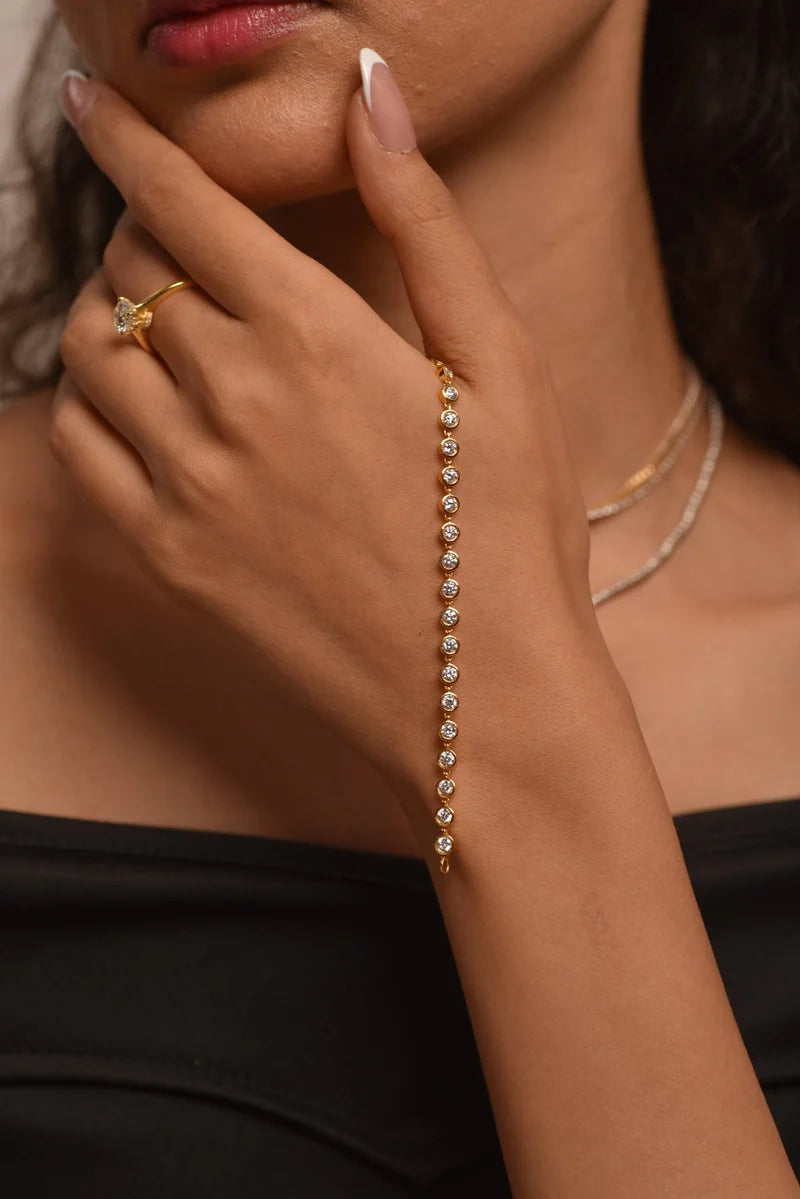
The design usually featured a continuous row of similarly sized diamonds connected through flexible links. Early versions of the style can be traced to the Art Deco era and the elegant line bracelets worn during the 1920s.
The construction was simple but visually powerful. Instead of using one large center stone, the bracelet created brilliance through a complete line of carefully matched diamonds.
The name may have changed, but the basic design has remained remarkably consistent. That continuity is an important part of tennis bracelet history.
Why the Design Has Lasted
Jewelry trends constantly change, yet the tennis bracelet continues to feel relevant. Its lasting appeal comes from the balance between luxury and practicality.
A flexible construction - Unlike a rigid bangle, a tennis bracelet is created with individually connected settings. This allows it to follow the natural shape and movement of the wrist.
A comfortable, low-profile design - The diamonds usually sit close to the wrist. A well-made bracelet should feel smooth and balanced rather than bulky or restrictive.
Continuous brilliance - Because the diamonds extend across the bracelet, it reflects light from almost every angle. There is no single front or focal point that must remain perfectly positioned.
Easy styling - The clean line of diamonds works with eveningwear, office outfits, and casual clothing. It can be worn alone for a refined appearance or combined with other bracelets for a more modern look.
Most fine jewelry was traditionally saved for an occasion. The tennis bracelet became iconic because it demonstrated that diamonds could move naturally through everyday life.

1.72 Carat 14K Gold Dainty Diamond Tennis Bracelet

Peridot Tennis Bracelet in 14K/18K White Gold / August Birthstone Bracelet

Natural Emerald Lab Grown Diamond 50-50 Custom Tennis Bracelet in 14K/18K Gold

Natural Ruby Tennis Bracelet in 14K/18K Gold / July Birthstone Bracelet

3.18 Carats Natural Rainbow Sapphire Tennis Bracelet in 14K/18K White Gold

Natural Emerald Tennis Bracelet in 14K/18K Gold / May Birthstone Bracelet

Natural Emerald & Diamond Alternate Tennis Bracelet in 14K/18K Gold

Custom Natural Ruby & Diamond Tennis Bracelet in 14K/18K Gold
What Does a Tennis Bracelet Mean?
There is no single official tennis bracelet meaning, but its continuous row of stones is often associated with lasting love, consistency and timeless connection.
This makes it a meaningful option for anniversaries, birthdays, weddings and milestone celebrations. It can also be purchased as a personal investment, a piece selected to celebrate an achievement, a new beginning or simply an appreciation for lasting design.
The story behind the bracelet adds another layer of meaning. Because of its connection with Chris Evert, it can also represent confidence, movement and elegance without restriction.
What Makes a Good Tennis Bracelet?
A tennis bracelet may appear simple, but its quality depends on several important details.
A secure clasp - The famous 1978 incident is a reminder that the clasp is one of the bracelet’s most important features. A box clasp is commonly used because it allows one end of the bracelet to slide securely into the other. Additional safety mechanisms, such as a figure-eight latch or secondary safety catch, provide extra protection. Before purchasing, check how the clasp opens, closes, and locks into place.
Consistently matched diamonds - A tennis bracelet may contain dozens of diamonds. Those stones should appear consistent in colour, clarity, shape, and size. Total carat weight tells you how much the diamonds weigh together, but it does not explain how evenly they are matched. A well-balanced row creates uninterrupted sparkle without one stone appearing noticeably darker or duller.
The right setting - Different settings affect both the appearance and durability of the bracelet. Prong settings expose more of each diamond, allowing plenty of light to enter the stones. They create a classic, brilliant appearance. Bezel settings surround each diamond with a thin rim of metal. They offer additional protection and create a smooth, contemporary look. Channel settings place the diamonds between parallel rows of metal. This produces a sleek surface with fewer exposed edges.
A comfortable fit - The bracelet should move slightly around the wrist without becoming loose enough to slide over the hand. A useful guideline is to allow enough space for one finger between the bracelet and the wrist. However, comfort can vary according to wrist shape and styling preference.
Quality metal - Choose solid gold or platinum rather than plated metal for a bracelet intended for frequent wear. A tennis bracelet experiences movement and regular contact with the skin, so the setting must be strong enough to support the diamonds over time.
How to Stack a Tennis Bracelet Today
One reason the tennis bracelet remains popular is its styling versatility.

Wear it by itself - A single line of diamonds on a bare wrist creates a polished, minimal look. Pair it with a white shirt, a black dress or a neutral knit and allow the bracelet to become the main detail.
Stack it with a watch - Wearing a tennis bracelet beside a classic watch creates contrast between polished metal and diamond brilliance. Make sure the pieces fit comfortably and do not press heavily against each other.
Add a plain gold bangle - A narrow yellow, rose or white gold bangle can add structure without competing with the diamonds. This is an easy way to make the bracelet feel more contemporary.
Mix your metals - Modern jewelry styling does not require every piece to use the same metal color. A white gold tennis bracelet can be paired with yellow or rose gold pieces when the overall arrangement remains balanced.
Coordinate it with a tennis necklace - A tennis necklace uses the same flexible line construction around the neck. Wearing both pieces together creates a coordinated look, while layering the necklace with a longer plain chain makes the styling feel more relaxed.
Explore Evara Jewelry’s tennis necklace collection for designs that can be worn alone or layered with everyday chains.
How Lab-Grown Diamonds Changed the Tennis Bracelet
A tennis bracelet requires numerous well-matched diamonds. For that reason, natural-diamond versions have traditionally represented a significant fine-jewelry purchase.
A lab grown tennis bracelet offers another way to achieve the same continuous brilliance. Laboratory-grown diamonds have essentially the same chemical composition, crystal structure and optical properties as natural diamonds. Experienced gemological laboratories use advanced equipment to identify their different origins.
Because lab-grown diamonds can offer greater flexibility in total carat weight and design, shoppers may be able to select a larger or more detailed bracelet while remaining within their preferred budget.
When comparing bracelets, look beyond the words “lab-grown.” Review the diamond color and clarity range, total carat weight, metal type, setting construction, clasp and product documentation.
Caring for a Tennis Bracelet

A tennis bracelet can be worn regularly, but it should still be treated as fine jewelry.
Remove it before swimming, exercising, gardening or completing heavy household work. Lotions, oils and everyday residue can collect beneath the diamonds, so clean the bracelet carefully using mild soap, warm water and a soft brush.
Check the clasp before wearing it and have the settings inspected periodically. If a prong feels rough, a stone appears loose or the clasp no longer closes firmly, stop wearing the bracelet until it has been professionally examined.