

A 10 carat diamond engagement ring is designed to make an impression. At this size, the center diamond becomes the clear focus of the ring, whether you prefer the classic sparkle of a round diamond, the elongated look of an oval, or the clean step-cut facets of an emerald cut.
But choosing a 10 carat diamond is about more than simply choosing a large stone.
Diamond shape can completely change how a 10 carat diamond looks on the hand. Two diamonds with the same carat weight may appear noticeably different in size because their proportions, depth, length-to-width ratio, and cutting style are different.
Price can vary just as dramatically. The diamond's origin, cut, color, clarity, shape, certification, and setting can all influence the final cost of a 10 carat engagement ring.
If you are considering a statement-size diamond, understanding these differences can help you choose a ring that looks beautiful rather than simply large.
Table of Content
- 10 Carat Diamond Engagement Ring Shapes
- How Size Changes Between Diamond Shapes
- Tips for Buying a 10 Carat Diamond Engagement Ring
10 Carat Diamond Engagement Ring Shapes
One of the biggest decisions when buying a 10 carat ring is choosing the diamond shape. At this carat weight, differences between shapes become especially noticeable.
Here are some of the most popular choices.
10 Carat Round Diamond Engagement Ring
The round brilliant remains one of the most recognizable diamond shapes.
Its symmetrical outline and brilliant-cut facet pattern are designed to return plenty of light, making a 10 carat round diamond engagement ring an attractive option for someone who wants traditional diamond sparkle on a much larger scale.
Because round diamonds tend to carry more of their weight below the surface than some elongated shapes, a 10 carat round may not appear as long across the finger as an oval or marquise of similar weight.
It works especially well in solitaire, cathedral, pavé, and hidden-halo settings.
10 Carat Oval Diamond Engagement Ring
An oval diamond combines brilliant sparkle with an elongated silhouette.
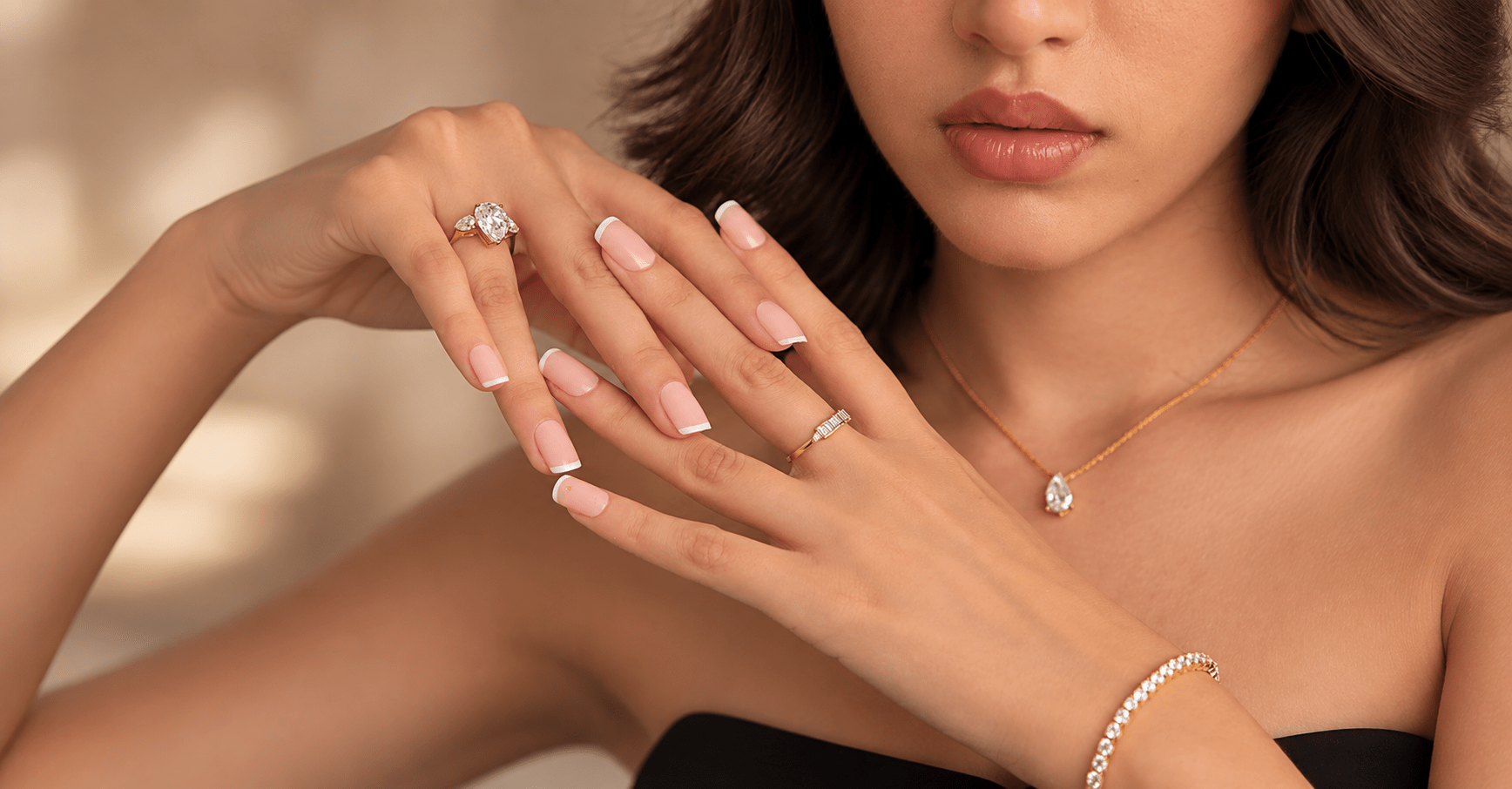
A 10-carat oval diamond engagement ring can have significant finger coverage because much of its shape extends across the surface of the finger. The elongated outline can also create the appearance of longer fingers.
Oval diamonds can vary considerably depending on their length-to-width ratio. Some are wide and softly rounded, while others have a longer, slimmer appearance.
For shoppers interested specifically in this shape, Evara's guide to choosing an oval cut diamond engagement ring is a useful next read.
10 Carat Emerald Cut Diamond Engagement Ring
Emerald cut diamonds offer a completely different look.
Instead of the intense sparkle associated with brilliant cuts, emerald diamonds use long step-cut facets that create broad flashes of light and a distinctive hall-of-mirrors appearance.
A 10 carat emerald cut engagement ring can look especially dramatic because the larger size gives those clean facets plenty of room to stand out.
Clarity deserves extra attention with this shape. The large open table can make inclusions easier to see compared with highly faceted brilliant cuts.
For buyers who prefer clean lines, understated luxury, and an elongated silhouette, an emerald cut is worth considering.
10 Carat Radiant Cut Diamond Engagement Ring
Radiant cuts bring together an angular outline with brilliant-style faceting.
A 10 carat radiant cut diamond engagement ring gives you the structured appearance of a rectangular diamond while maintaining plenty of sparkle.
Radiant diamonds are available in squarer and more elongated proportions, so the same carat weight can produce noticeably different looks.
An elongated radiant works particularly well for someone who wants strong finger coverage without giving up the brilliance associated with more traditional brilliant cuts.
10 Carat Pear Shaped Diamond Engagement Ring
The pear shape combines a rounded end with a pointed tip, creating its recognizable teardrop silhouette.
At 10 carats, this shape can have a striking presence without looking overly wide. Its elongated proportions can create substantial visual coverage across the finger.
A 10 carat pear diamond ring can be worn with the point facing toward or away from the hand, allowing the wearer to create slightly different visual effects.
Because the pointed tip is more vulnerable to impact, look for a setting that provides proper protection around that area.
10 Carat Cushion Cut Diamond Engagement Ring
Cushion diamonds are known for softened corners and a square or rectangular outline.
A 10 carat cushion cut diamond ring can feel classic and romantic while still offering the visual impact expected from a large center stone.
Cushion diamonds come in several facet patterns and proportions, so two 10 carat cushions may not look identical.
Some appear squarer and compact, while elongated cushions extend farther along the finger.
10 Carat Elongated Cushion Diamond Engagement Ring
For shoppers who like the softer appearance of a cushion but want more finger coverage, an elongated cushion can offer a good balance.
A 10 carat elongated cushion diamond engagement ring has rounded corners paired with longer proportions.
The result sits somewhere between the softness of a traditional cushion and the length of an oval or radiant.
Length-to-width ratio matters here. A moderately elongated stone provides a balanced silhouette, while a longer ratio produces a more dramatic appearance.
10 Carat Marquise Diamond Engagement Ring
Few shapes create as much visual length as the marquise.
Its long body and pointed ends can make a 10 carat marquise diamond engagement ring appear especially prominent on the hand.
Because the shape distributes weight along its length, marquise diamonds often offer impressive face-up coverage.
Symmetry is particularly important. Both sides should look balanced, and the two points should align cleanly.
Protective prongs around the pointed ends are also important when selecting the setting.
10 Carat Princess Cut Diamond Engagement Ring
A princess cut is an option for buyers who prefer a sharp, geometric look.
Its square outline and brilliant-style faceting create a modern alternative to a traditional round diamond.
At 10 carats, the straight sides and defined corners become an important part of the overall design.
Because the corners can be vulnerable to damage, a well-designed setting should protect them while allowing the diamond to remain the center of attention.


How Does Size Change Between 10 Carat Diamond Shapes?
Carat measures weight, not physical dimensions.
A 10 carat diamond weighs approximately 2 grams, but that does not mean every 10 carat diamond will have the same measurements.
Shape and cutting proportions determine how that weight is distributed.
An oval, pear, marquise, radiant, or elongated cushion may appear longer on the finger, while a round or square cushion can have a more concentrated appearance.
A diamond cut too deeply may hide more weight underneath the setting, reducing its visible face-up size.
This is why comparing only the carat number is not enough. When shopping for a 10 carat diamond ring, look at the actual millimeter measurements and proportions of the individual diamond as well.
Tips for Buying a 10 Carat Diamond Engagement Ring
Choose the Shape Before Focusing on Carat Weight
At this size, shape has a major influence on the overall look.
Decide whether you prefer maximum sparkle, elongated finger coverage, softer curves, or geometric lines before comparing individual diamonds.
Explore different diamond engagement ring styles to understand which silhouette feels right.
Don't Choose the Diamond Based on Size Alone
A poorly cut 10-carat diamond isn't automatically more impressive than a beautifully proportioned smaller stone.
Cut quality, proportions, symmetry, and light performance all affect how lively the diamond appears.
Prioritize a balanced diamond rather than simply searching for the largest measurements available.
Compare Lab-Grown and Natural Diamonds
A 10 carat lab grown diamond engagement ring can provide the same diamond material and optical properties as a natural diamond while typically costing considerably less.
Natural 10 carat diamonds are much rarer, which can significantly increase their price.
If you're deciding between the two, read Evara's guide to lab-grown diamonds before purchasing.
Pay Attention to Clarity
Larger diamonds make inclusions easier to notice.
This is particularly important with emerald cuts and other stones featuring large open facets.
Rather than automatically paying for the highest possible clarity grade, inspect where inclusions are located and whether they are visible without magnification.
Think About the Setting
A 10 carat center diamond needs a setting designed to support its size.
Popular options include:
- Solitaire
- Cathedral
- Hidden halo
- Pavé band
- Three-stone
- Bezel
Prong placement and structural security matter as much as appearance, especially for shapes with vulnerable points such as pear, marquise, and princess cuts.
Check Certification
For a significant diamond purchase, review an independent grading report before making your decision.
The report allows you to confirm details such as carat weight, measurements, color, clarity, proportions, and other characteristics rather than relying only on how the diamond is described online.
Compare Price Based on the Whole Diamond
There isn't one fixed 10 carat diamond ring price.
A natural diamond and a lab-grown diamond of the same weight can fall into very different price ranges. Shape, color, clarity, cut quality, certification, metal, and setting can further change the final price.
Instead of comparing rings only by carat weight, compare diamonds with similar specifications.
You can also browse Evara's lab-grown diamond engagement rings to compare different shapes, settings, and carat weights.